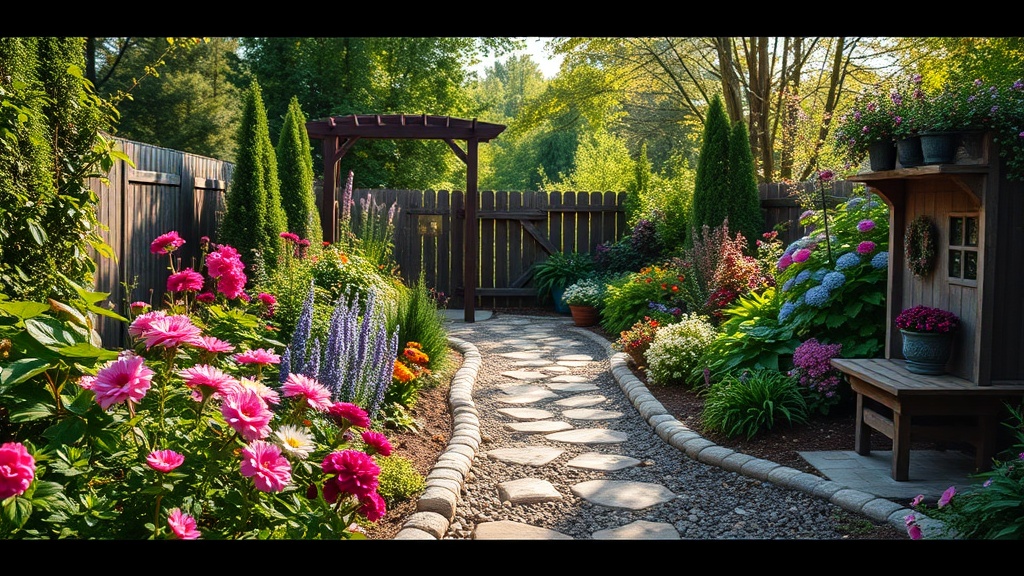
Finding Hidden Gem Backyard Gardens in Brant County

A neighbor walks past your fence, stops, and stares at a single, perfect heirloom tomato hanging from a trellis. They aren't just looking at a vegetable; they're looking at a piece of local art. In the County of Brant, backyard gardening has moved past simple raised beds. It's becoming a way to create micro-ecosystems right in our backyards. This post looks at how to find, identify, and appreciate the hidden gem gardens tucked away in our local neighborhoods—from the small-scale urban plots in Brantford to the sprawling vegetable patches in Paris and St. George.
Finding these gardens isn't about trespassing. It's about recognizing the signs of high-quality, intentional growing. When you see a well-maintained garden, you're seeing more than just plants; you're seeing a commitment to our local soil and climate. We'll look at how to spot them and how to connect with the people behind them.
Where Can I Find Local Backyard Gardens in Brant County?
You can find the most impressive backyard gardens by visiting local community hubs, seasonal farmers' markets, and neighborhood garden tours. While many private gardens stay behind a wooden fence, the best way to discover them is through community-led events or by observing the local agricultural calendar. In our part of Ontario, many gardeners participate in the Ontario Ministry of Agriculture, Food and Rural Affairs programs, which often leads to public-facing garden displays or community garden projects.
Look for these specific signs in your neighborhood:
- The "Farm Stand" Signal: If a house has a small, hand-written sign near the driveway, they're likely part of the local food network.
- The Seedling Giveaway: During late May, watch for neighbors leaving small trays of starts near the sidewalk.
- Community Garden Plots: Areas near the Grand River often have shared community plots where you can see different growing styles in one place.
It's a great way to see what's actually growing in our specific zone. Most of us are in a slightly different micro-climate than someone in Toronto, and seeing a garden in Paris, Ontario, tells you much more about your own soil than a generic online guide ever could.
If you're interested in the produce itself, don't skip the local markets. Selecting seasonal produce at local farmers markets is a perfect way to bridge the gap between a backyard garden and your kitchen table.
What Makes a Backyard Garden a "Hidden Gem"?
A hidden gem garden is defined by its diversity, its intentionality, and its ability to thrive in the specific weather patterns of Southwestern Ontario. It isn't just a lawn with a few flower pots. It's a space that uses specialized techniques to maximize small areas.
I've noticed a trend lately where people aren't just growing marigolds; they're building complex systems. Here is what I look for when I'm walking through different parts of the county:
- Vertical Integration: Using trellises for cucumbers or climbing beans to save ground space.
- Companion Planting: Seeing things like basil planted next to tomatoes to deter pests naturally.
- Soil Health Focus: Noticeable compost piles or heavy mulching that keeps the soil dark and rich.
- Pollinator Support: A mix of flowering perennials that attract local bees and butterflies.
It's a subtle art. A "standard" garden might just have rows of the same thing. A "gem" garden feels like a living, breathing ecosystem. It's the difference between a grocery store aisle and a wild, productive landscape.
"A truly great garden doesn't just feed the person who grew it; it feeds the local environment by providing a habitat for our native pollinators."
One thing to watch for is the use of specific tools. You'll often see people using high-quality equipment like Gardena irrigation systems or Fiskars hand tools. These aren't just fancy brands; they're signs of a gardener who treats their hobby with serious intent.
How Much Does a High-Quality Backyard Garden Cost to Start?
The cost to start a high-quality backyard garden varies wildly depending on whether you are buying seeds or purchasing established plants and hardware. For a standard, productive backyard setup in Brant County, you should expect to spend anywhere from $200 to $1,500 in your first year. This includes the initial investment in soil, raised beds, and basic tools.
Here is a rough breakdown of what you might spend when setting up a serious garden plot:
| Item Category | Basic Setup (Low End) | Advanced Setup (High End) |
|---|---|---|
| Soil & Compost | $50 (Bulk delivery) | $250 (Premium organic mixes) |
| Raised Bed Materials | $100 (Cedar planks) | $500 (Metal or composite kits) |
| Seeds & Starts | $30 (Seed packets) | $150 (Heirloom starts) |
| Irrigation/Tools | $50 (Hose & basic trowel) | $300 (Drip system & quality tools) |
The reality is that you can start small. You don't need a $1,000 investment to grow a great tomato. However, if you want that "hidden gem" look—the kind that makes people stop their cars—you'll eventually want to invest in better soil and more permanent structures. It's worth noting that the biggest expense is often the time spent learning the rhythm of our local weather.
If you want to know what's actually good to eat once you've found these gardens, you might also appreciate learning how to spot fresh local honey, as many of these gardens are also home to incredible honey production.
Don't forget the importance of the soil. Most of our local success comes from the heavy, fertile clay-based soils found in many parts of the County. If you aren't amending your soil with plenty of organic matter, you're fighting an uphill battle. A gardener who understands this is a gardener who will produce gems.
One way to test the quality of a garden's output is to look at the variety. A standard garden has one type of zucchini. A hidden gem garden has three different varieties of squash, a few types of heirloom tomatoes, and perhaps some specialized herbs. That variety is the hallmark of a truly dedicated grower.
When you see these gardens, don't just walk by. If a neighbor is outside, ask them about their frost dates or what they're using for pest control. Most local gardeners are incredibly willing to share their knowledge—they just want to talk shop with someone who actually cares about the details.
Steps
- 1
Look for Seasonal Signage
- 2
Check Local Community Social Groups
- 3
Ask Your Neighbors
- 4
Visit Local Farmers Markets First